
How to Build Raised Beds in Canada
Material choices, bed dimensions, and drainage considerations for Canadian winters. Includes cedar and pine comparisons for cold-climate durability.
Read article →Raised beds, soil preparation, companion planting, and year-round strategies for gardeners working in Canadian climate zones 3 through 8.

Articles
Structured around the specific challenges of short growing seasons, frost dates, and regional soil types found across Canada.
Material choices, bed dimensions, and drainage considerations for Canadian winters. Includes cedar and pine comparisons for cold-climate durability.
Read article →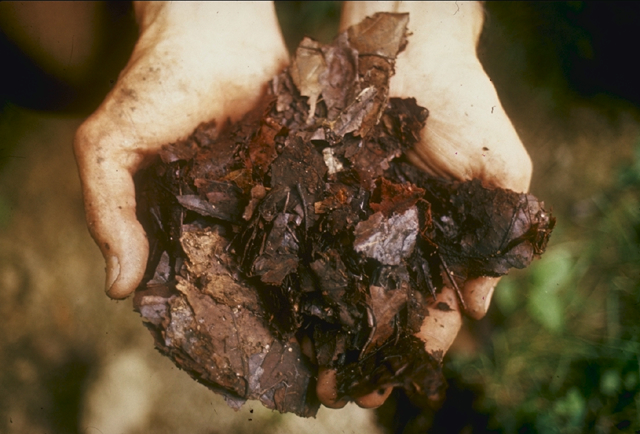
How to build productive garden soil through composting, pH adjustment, and working with the clay-heavy soils common across Ontario and the Prairies.
Read article →
Plant combinations that reduce pest pressure and improve yields in short-season gardens. Covers the Three Sisters method and cold-hardy pairing strategies.
Read article →Canadian Climate Zones
Canada uses the Plant Hardiness Zone system published by Agriculture and Agri-Food Canada, which maps 9 main zones based on minimum winter temperatures and other climate factors.
| Zone | Min. Temperature | Typical Regions | Last Frost (approx.) |
|---|---|---|---|
| 3a–3b | −40 to −35°C | Northern Ontario, much of Saskatchewan | Late May – early June |
| 4a–4b | −35 to −30°C | Edmonton, Winnipeg periphery | Mid-May |
| 5a–5b | −29 to −23°C | Calgary, Ottawa, most of Quebec | Early–mid May |
| 6a–6b | −23 to −18°C | Southern Ontario, Niagara Peninsula | Late April |
| 7–8 | −18 to −9°C | Greater Vancouver, Victoria, southern B.C. coast | Late March – April |
Source: Agriculture and Agri-Food Canada — Plant Hardiness Zones
Contact
Questions about a specific technique or growing region? Submit your details and we will follow up.